MBI ALLOCATES RM30 MILLION ANNUALLY FOR SOLID WASTE DISPOSAL COSTS ACROSS ITS OPERATIONAL AREAS
IPOH, 1 NOVEMBER 2025 – Ipoh City Council (MBI) has allocated RM30 million annually to cover the cost of solid waste disposal throughout its operational areas. This measure reflects MBI’s continuous commitment to realising the aspiration of Ipoh as a Smart and Prosperous City.
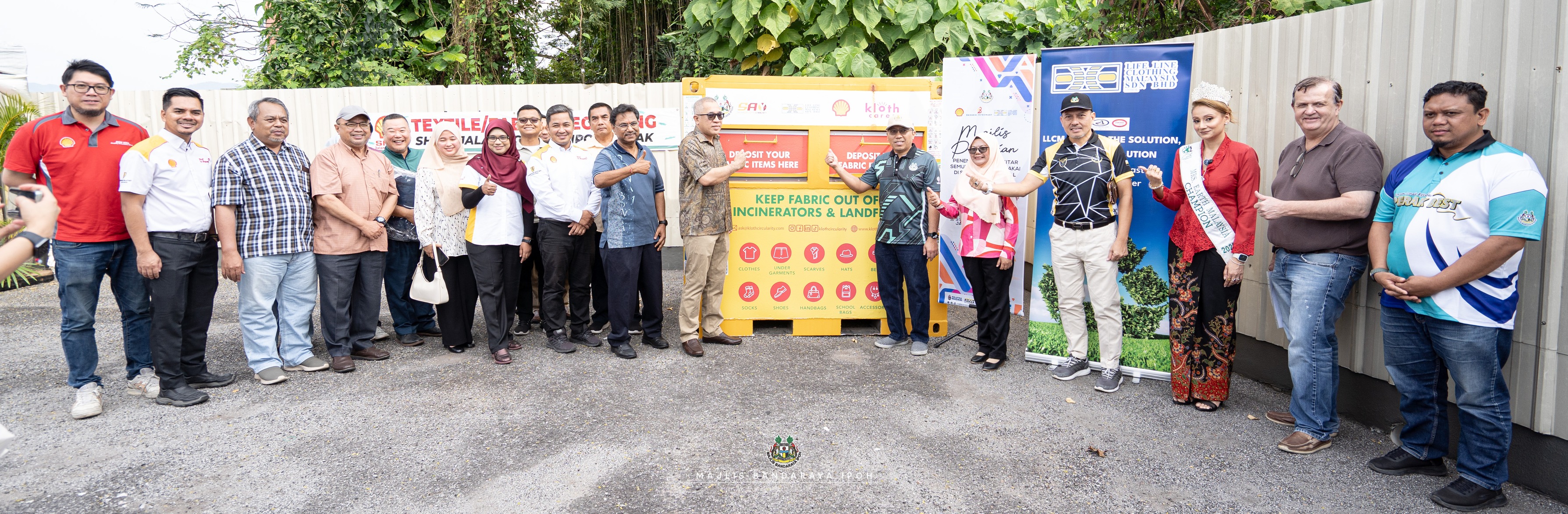
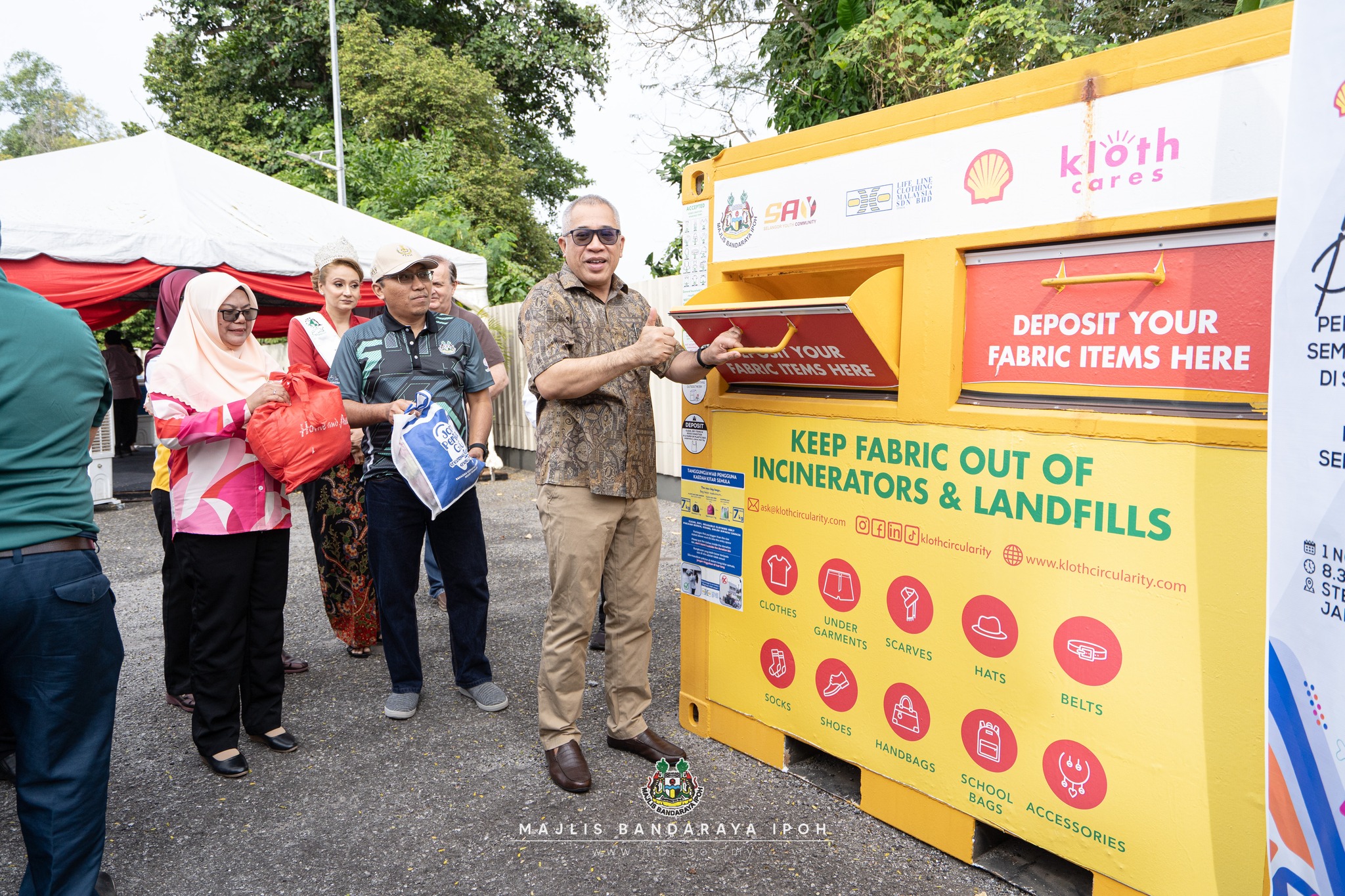
As a continuation of these efforts, MBI has formed a strategic partnership with Shell Malaysia Trading Sdn. Bhd. and Life Line Clothing (M) Sdn. Bhd. to implement the Used Clothing Recycling Bin Placement Programme at Shell petrol stations around Ipoh city. This initiative is part of the Local Agenda 21 Programme 2025.
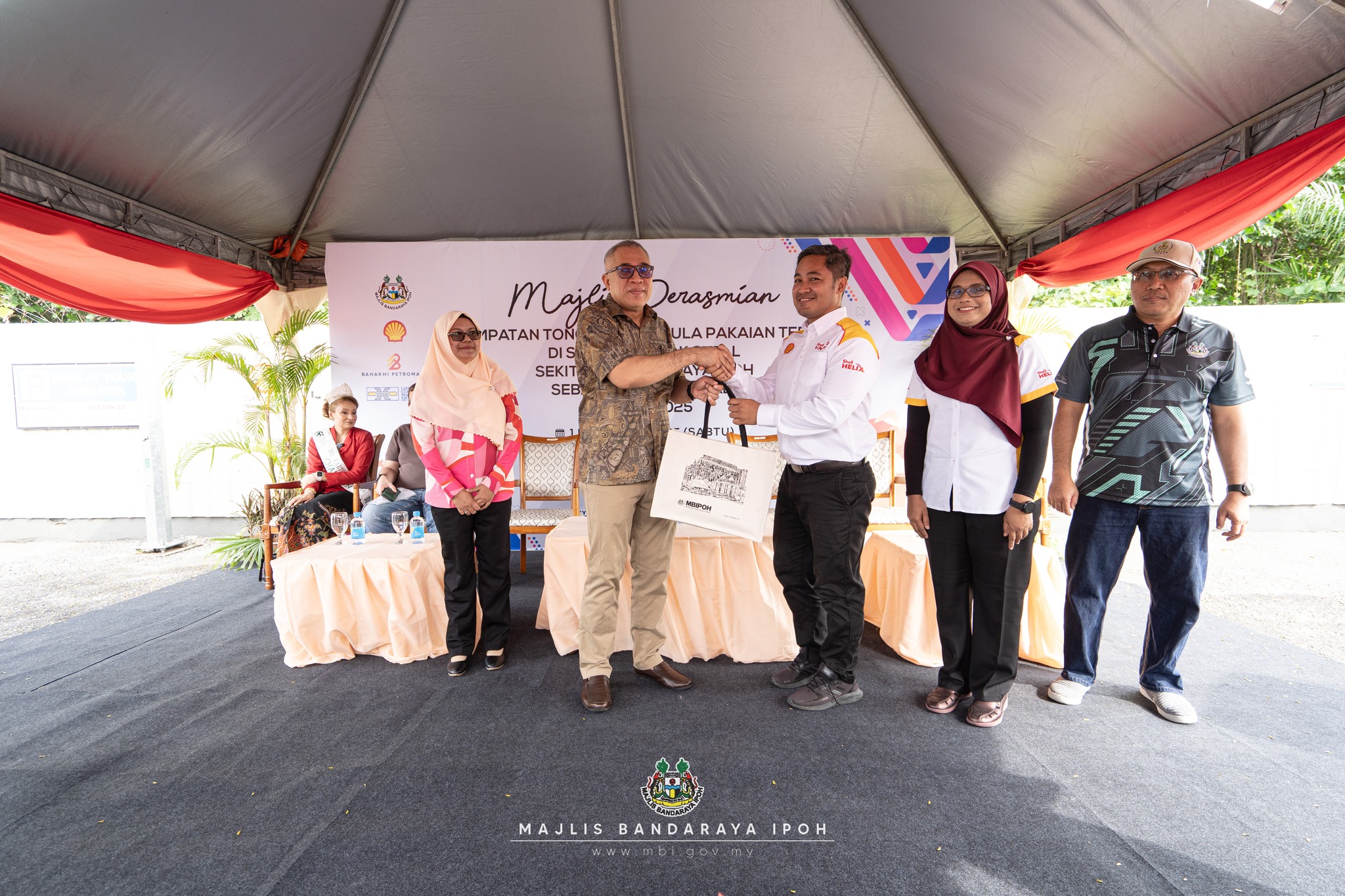
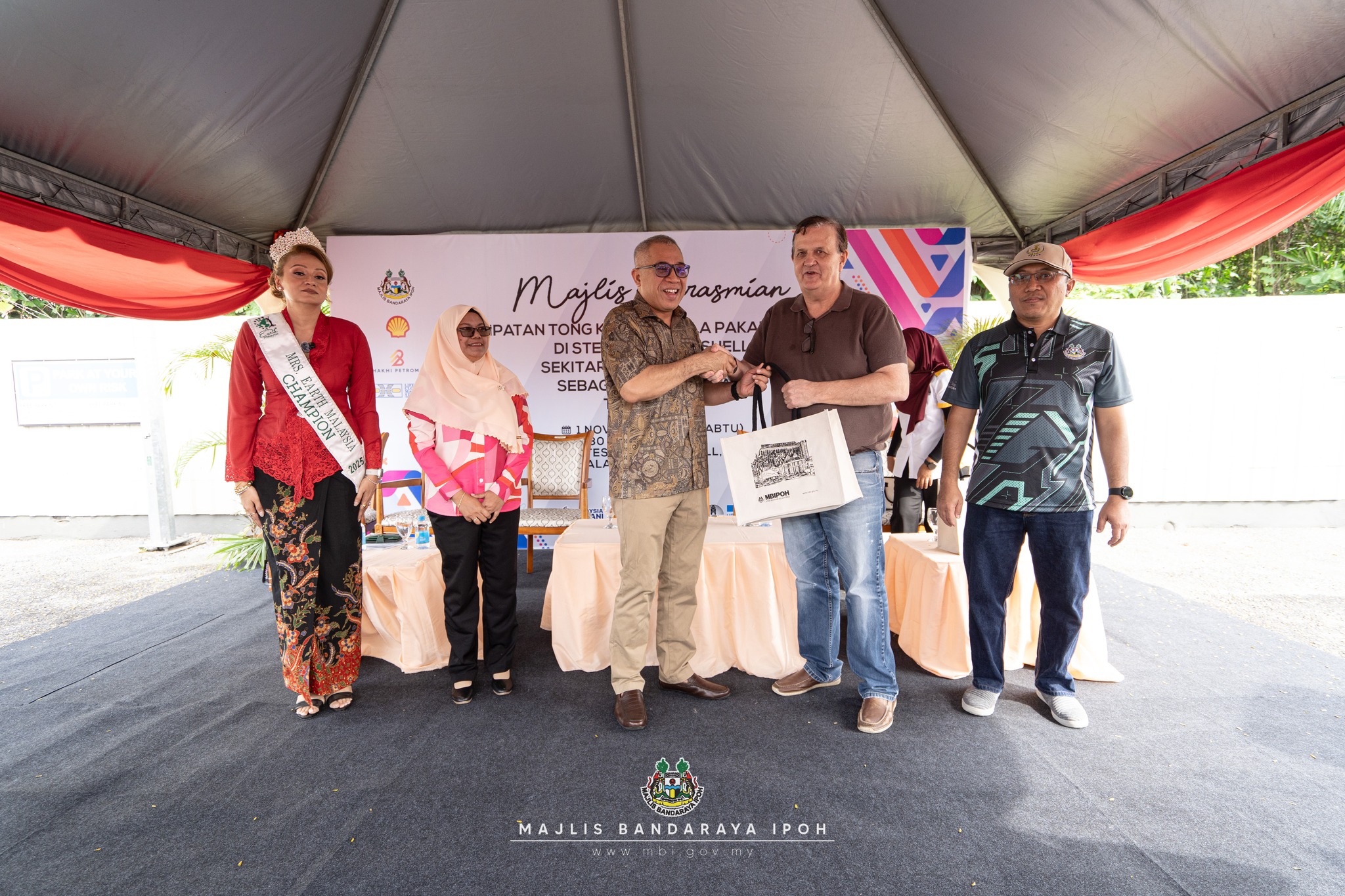
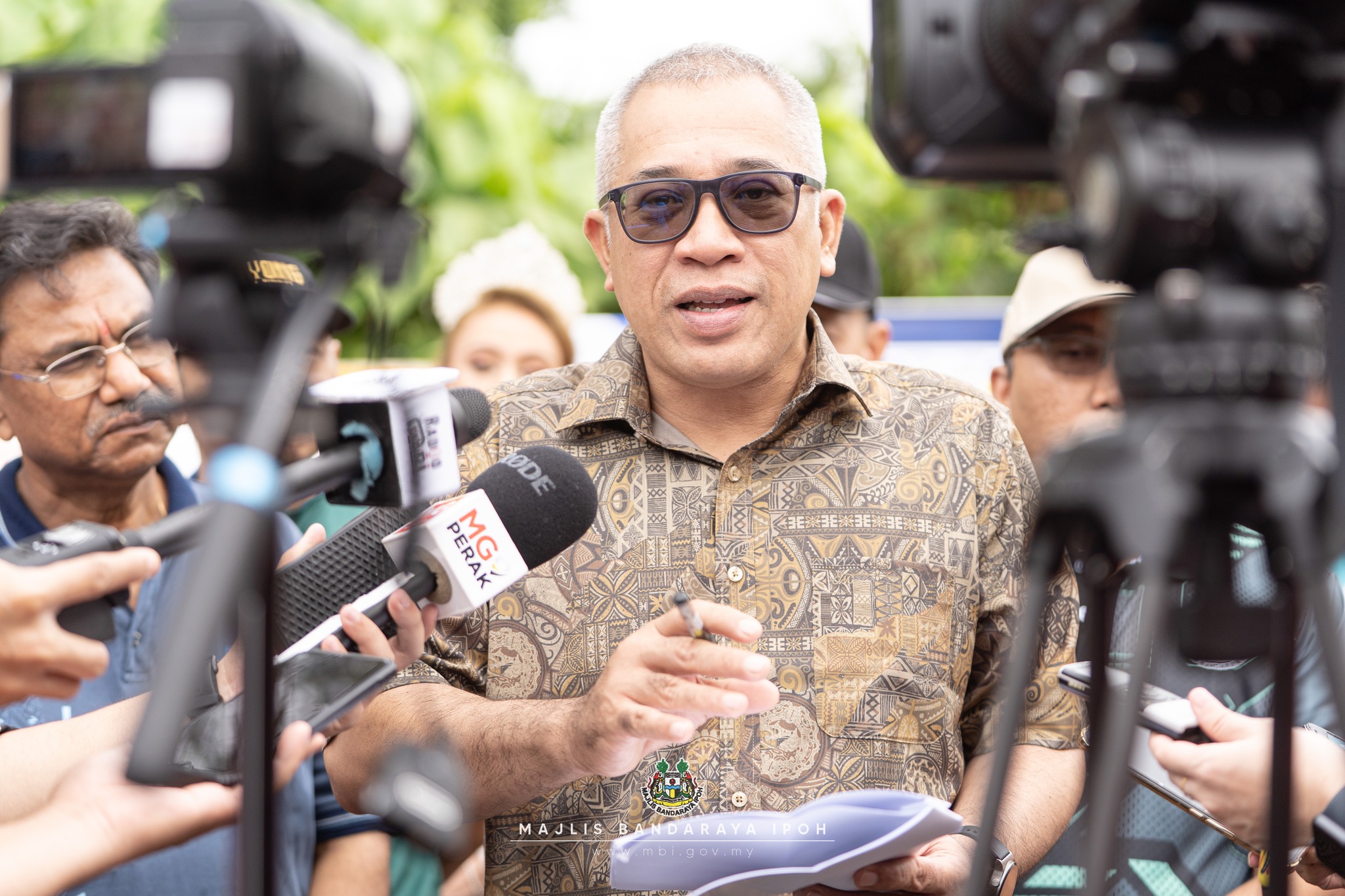
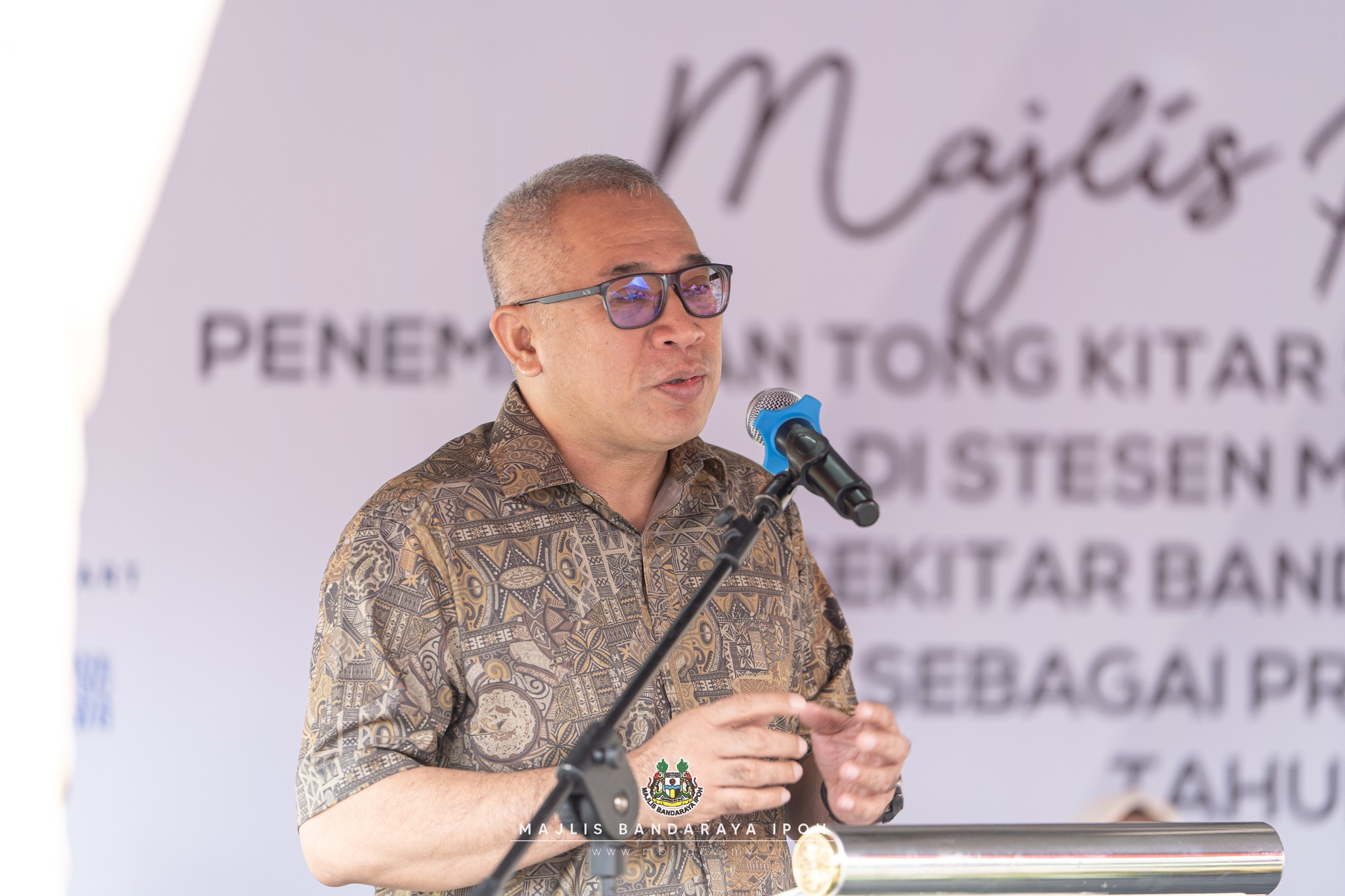
The programme launch was officiated by Ipoh Mayor Zamakhshari Hanipah, who also delivered the opening speech.
Also present to enliven the event were City Councillors, City Secretary Ahmad Munir Ishak, MBI Heads of Departments and Units, Rukiah Rahman (Government Account Manager, Shell Malaysia Trading Sdn. Bhd.), Bahakhi Mohammad (Shell Bahakhi Petromart Station Manager), Dale Warren (Chief Executive Officer, Life Line Clothing (M) Sdn. Bhd.), Mandy Gondaara (Mrs. Earth Malaysia 2025), Shell management representatives and members of the media.
In his speech, the Mayor stressed that this programme aligns with MBI’s commitment to make Ipoh a Smart and Low-Carbon City by 2030, in line with the implementation of “Ipoh Doughnut Economics: A City Portrait in Action (2025–2030)”, which was launched in August 2025 during the ASEAN Sustainable Urbanisation Forum (ASUF).
“A circular economy means maximising the reuse and recycling of materials before they are disposed of. This approach not only reduces pollution and greenhouse gas emissions, but also helps build a sustainable economic ecosystem and improves community well-being,” he said.
This programme also supports the implementation of the Integrated Waste Management Strategy under the city’s action plan, which emphasises the active involvement of the private sector and community in strengthening circular economy practices
To date, Life Line Clothing (M) Sdn. Bhd. has placed 35 used clothing recycling bins within the MBI administrative area, including at 9 Shell stations, supermarkets, residential areas and schools.
From June to October 2025, a total of 53,822 kilograms of used clothing textiles have been successfully recycled through strategic collaboration among various stakeholders — a very commendable achievement.
The implementation of this programme is also in line with the country’s sustainable development policies and agendas, including:
- 12th Malaysia Plan (12MP) – Achieving a national recycling rate of 40% by 2025;
- United Nations Sustainable Development Goals (SDGs);
- National Cleanliness Policy – Strengthening 3R (Reduce, Reuse, Recycle) practices; and
- Circular Economy Blueprint for Solid Waste (2025–2035) – Maximising resource efficiency and minimising waste generation.
At the same event, the Mayor announced that Life Line Clothing (M) Sdn. Bhd. is now MBI’s fifth strategic partner under the Circular Economy Programme, following collaborations with:
- Edsha Solution Sdn. Bhd. – e-waste;
- Biovisma Sdn. Bhd. – used cooking oil;
- Tetra Pak (M) Sdn. Bhd. – used beverage cartons; and
- Thowlee Recycle Sdn. Bhd. – used tyres.
“I am very proud of today’s initiative as it demonstrates the synergy between the government, private and community sectors. It is hoped that this effort will serve as an example for other companies to support environmental sustainability initiatives in Ipoh,” he added
The Ipoh City Council also extended its highest appreciation to Shell Bahakhi Petromart as the host, and to Life Line Clothing (M) Sdn. Bhd. for their commitment and close cooperation in making this programme a success
“Hopefully, this effort will be a starting point towards realising Ipoh as a Smart and Prosperous City and Perak Sejahtera 2030, while strengthening our commitment under the Doughnut Economic Action Plan to make Ipoh a prosperous and sustainable city,” he concluded.

- Hits: 1865